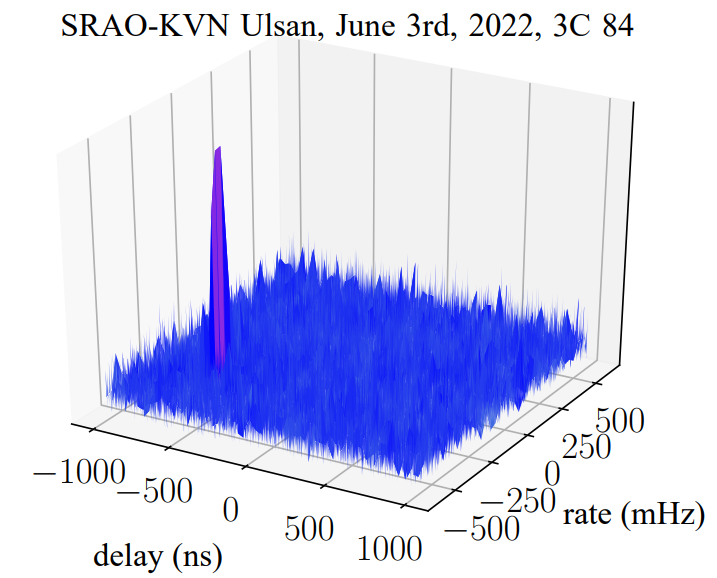
“We offer a comprehensive range of radio telescope solutions – including design, fabrication, system integration, operation, diagnostics, and troubleshooting – as detailed below.”
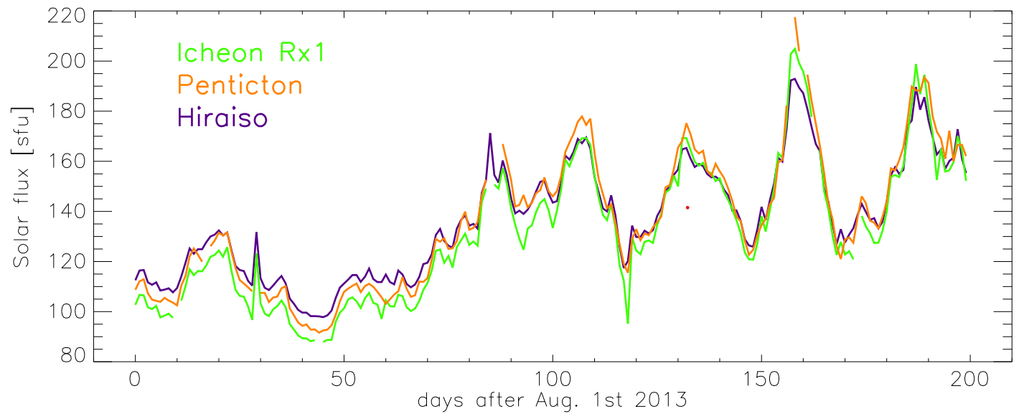
Absolute Flux Calibration
– Essential for solar radio observations
– Utilizes noise diodes (or sky background) and dedicated data reduction algorithms
– Reference : Yun et al. “Development of 2.8 GHz Solar Flux Receivers”, 2014, JKAS, 47, 201
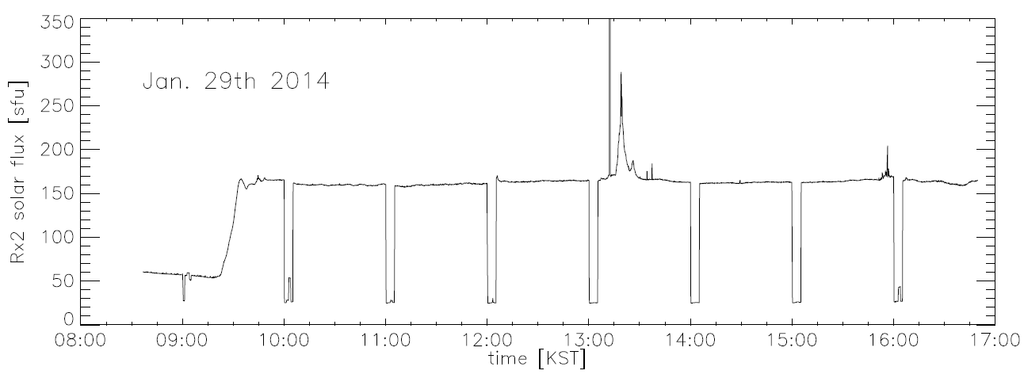
Calibrated Radio Burst Monitoring
– Enables precise measurement and real-time monitoring of absolute fluxes of the solar radio bursts
– Supports simultaneous burst spectra monitoring across tens of GHz
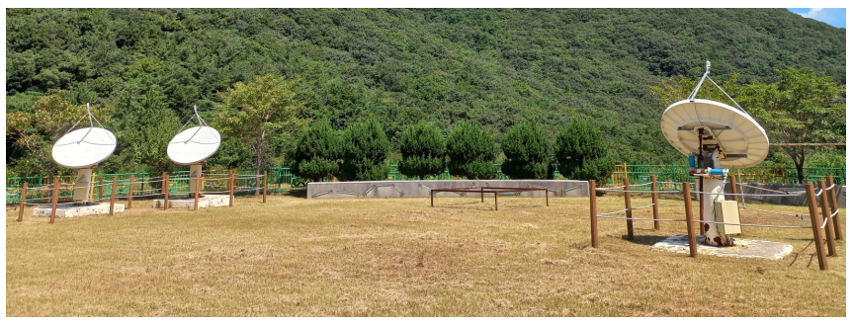
Radio Interferometry
– Designed for educational and research applications
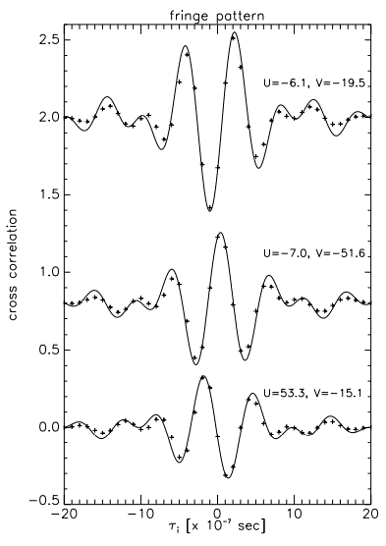
– Key capabilities : Fringe detection and high resolution imaging
– Configuration : Two- or multi-element arrays
– Frequency range : 1~20 GHz
– Correlators : FPGA-based or S/W correlators
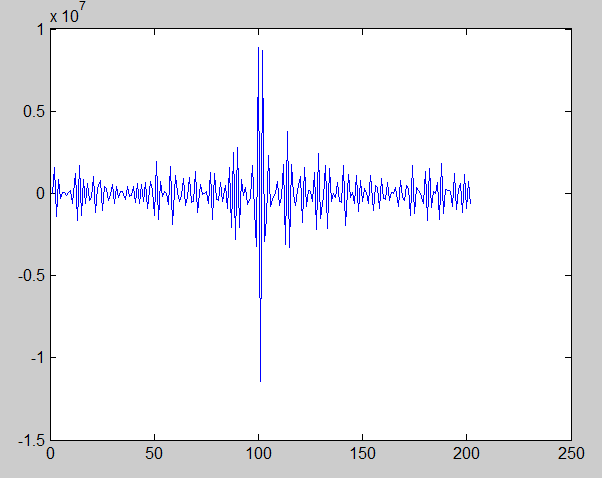
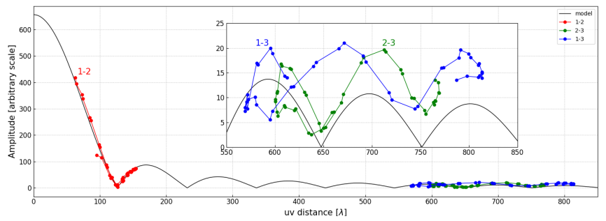
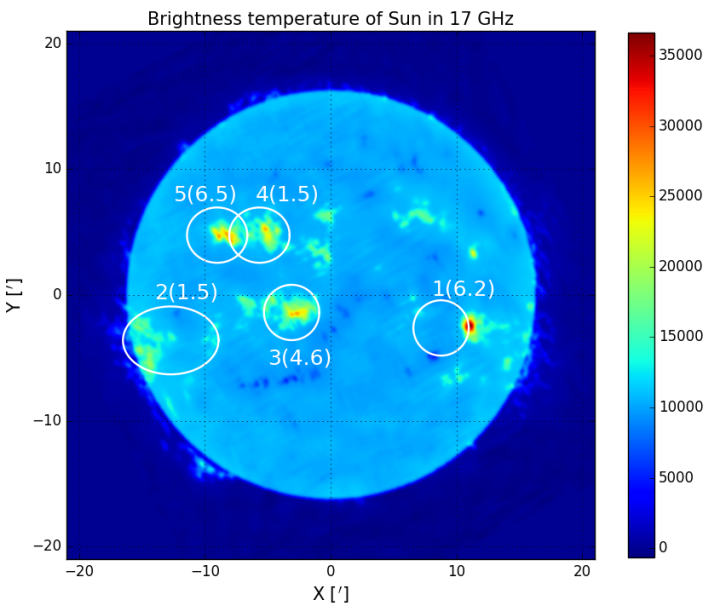
A three-element interferometer
– Frequency : 12 GHz
– Antennas : 1.8 m off-axis parabolic reflectors
– Max. baseline length : 20 m
– Reference : Han et al., “Experiments with a Three-Element Radio Interferometer in 12 GHz”, 2024, JKAS, 57, 25
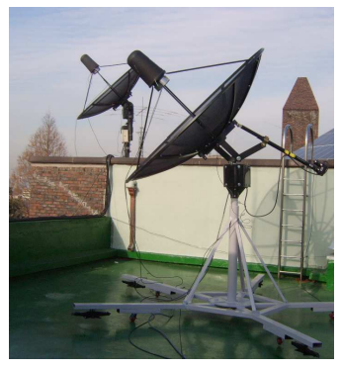
Two-element radio interferometry
– Frequency : 1-2 GHz
– Antennas : 2.3 m parabolic mesh
– Baseline length : Max. 70 m
– Reference : Park et al., “Development of Semi-VLBI System and Observation of Sun at 21 cm”, 2006, JKAS, 39, 51
Park et al., “Development of a Toy Interferometer for Education and Observation of Sun at 21 cm”, 2008, JKAS, 41, 77
Millimeter-Wavelength Very long baseline interferometry (VLBI)
– Frequency : 86 GHz
– Baseline length : More than several hundred kilometers
– Reference : Shin et al., “Renovation of Seoul Radio Astronomy Observatory and Its First Millimeter VLBI Observations”, 2022, JKAS, 55, 207